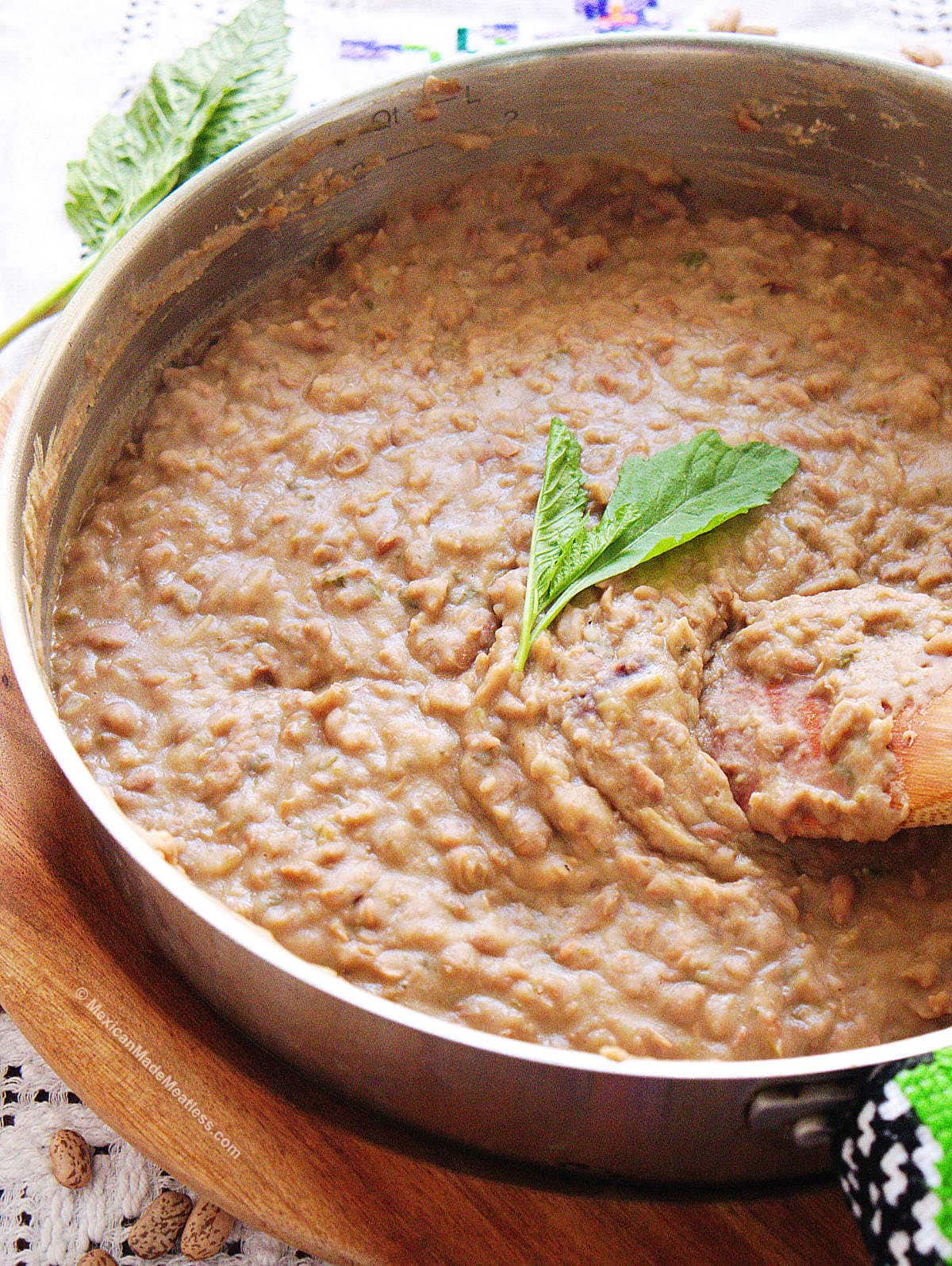
Frijoles Refritos: The Real Meaning Behind "Very Well-Fried" Beans
Few dishes evoke the heartwarming comfort and rich flavors of Mexican cuisine quite like
refried beans. This humble side dish, often misunderstood by its English translation, holds a deeper meaning and culinary significance than many realize. While "refried" might suggest a process of frying the beans twice, the authentic Spanish term,
frijoles refritos, actually paints a much more emphatic and delicious picture: "very well-fried beans." It's a subtle linguistic difference that unlocks the true artistry and depth of flavor inherent in this Mexican staple.
The journey to truly appreciate
refried beans begins with shedding preconceptions and embracing the simple, wholesome ingredients that make them sing. Forget the bland, often paste-like canned versions; authentic homemade
frijoles refritos are a revelation – healthier, infinitely more flavorful, and surprisingly easy to prepare.
Decoding "Frijoles Refritos": More Than Just Twice-Fried
The English translation of
frijoles refritos as "refried beans" has caused endless confusion. In English, the prefix "re-" typically implies repetition – to do something again, like "re-read" or "re-do." However, in Mexican Spanish, the prefix "re-" is often used for emphasis, intensifying the meaning of the word it precedes.
Consider this: when Mexicans say someone is "requetebién," they don't mean "well-well," but rather "really, really well." Similarly, "recaliente" doesn't mean "reheated," but "very hot." In the case of
frijoles refritos, "refritos" signifies beans that are not merely fried once, but *very well-fried* or *thoroughly fried*. This emphasizes the crucial stage where the cooked beans are introduced to hot oil or lard, slowly mashed, and allowed to simmer, developing their characteristic creamy texture and rich, savory flavor. This isn't just a simple reheat; it's a careful process of transformation.
This linguistic nuance is key to understanding the cultural importance and culinary technique behind this beloved dish. It highlights that the frying step is not an afterthought, but a vital component that extracts maximum flavor and creates the desired consistency.
The Unmatched Superiority of Homemade Refried Beans
Once you've tasted truly homemade
refried beans, going back to the canned variety feels like a culinary downgrade. The difference is night and day, a sentiment many food enthusiasts, including those who have experienced authentic Mexican cooking firsthand, can attest to.
Taste and Texture: A World Apart
Canned refried beans often suffer from an indistinct flavor profile and a pasty, sometimes grainy, texture. They're typically loaded with preservatives, excessive sodium, and sometimes artificial flavors to compensate for the lack of fresh ingredients. Homemade versions, on the other hand, boast a vibrant, earthy taste, infused with garlic, cumin, and oregano, and a wonderfully creamy yet slightly chunky texture that's pure comfort. As one might learn from spending time in Mexico, like in Puebla, the taste of genuinely homemade versus the canned stuff is profoundly significant.
Healthier, Wholesome Ingredients
Making
refried beans from scratch allows you complete control over what goes into your family's meal. You use real, unprocessed ingredients – dried beans, fresh aromatics, and your choice of healthy fats. This eliminates the need for the artificial additives, sky-high sodium levels, and questionable oils often found in commercial products. You can adjust the salt to your liking and opt for lard (for authentic flavor) or healthier alternatives like avocado oil or olive oil. For more on making healthier choices without sacrificing flavor, check out our article
Unlock Authentic Refried Beans: Easier & Healthier Than Canned.
Surprising Simplicity
Many people assume that making homemade
refried beans is a complicated, time-consuming endeavor. While it does require a bit of foresight (like soaking the beans overnight), the actual hands-on effort is minimal. The process is straightforward, requiring basic cooking skills and common kitchen equipment. It's a dish that genuinely proves how simple ingredients, handled with a little care, can yield extraordinary results.
Mastering the Art of Authentic Refried Beans: A Step-by-Step Guide
Crafting authentic
refried beans is a rewarding culinary experience. It starts with selecting the right ingredients and understanding a few key techniques.
Choosing Your Beans Wisely
The foundation of any great refried bean recipe is, of course, the beans themselves.
- Dried Beans are Non-Negotiable: For truly authentic flavor and texture, always opt for dried beans. Canned beans, while convenient, simply won't yield the same creamy consistency or deep, earthy flavor. They often contain additives and are cooked to a different degree, making them difficult to mash into the ideal texture. You can typically find dried beans in the international or Mexican food aisle of your grocery store.
- Pinto Beans are Traditional: Pinto beans are the classic choice for frijoles refritos, known for their creamy texture and mild flavor. However, black beans can also be used to create a delicious variation with a slightly different taste profile.
The Traditional Method: Soaking and Simmering for Perfection
This method, while requiring overnight soaking, delivers the most tender, flavorful beans.
- Rinse and Soak: Sift through your dried beans to remove any small stones or debris. Rinse them thoroughly under cold water. Place the cleaned beans in a large pot, cover with plenty of water (at least 2-3 inches above the beans), and let them soak overnight (8-12 hours). This step helps reduce cooking time, improves digestion, and ensures more even cooking.
- Boil to Tender: Drain the soaked beans and rinse again. Return them to the pot and cover with fresh water. Add half an onion and a few dashes of salt. Bring the water to a rolling boil, then reduce the heat to a simmer, cover, and cook for about 1 to 1.5 hours, or until the beans are incredibly tender. Reserve about a cup of the bean broth – this liquid gold is crucial for flavor and adjusting consistency later.
- Fry and Mash: The "Very Well-Fried" Stage: This is where the magic happens! In a large, heavy skillet (cast iron works wonderfully), heat your chosen fat (traditional lard for authentic taste, or a healthier oil like avocado or olive oil). Once hot, add minced garlic and sauté until fragrant. Add the cooked beans, a quarter cup of the reserved bean broth, and traditional Mexican spices like ground cumin and dried oregano.
- Mash to Desired Consistency: As the beans simmer in the skillet, begin to gently mash them with a potato masher or a sturdy fork. Continue stirring and mashing, adding more bean broth gradually if needed, until you achieve your desired consistency – from slightly chunky to smooth like soft mashed potatoes. Taste and adjust seasoning with additional salt.
Modern Shortcuts: Instant Pot & Slow Cooker Options
For those who prefer a quicker route without overnight soaking, pressure cookers like the Instant Pot are fantastic.
- Instant Pot Method (No Soaking Required): Rinse your dried beans thoroughly. Combine them with half an onion and salt in your Instant Pot. Add 7-8 cups of water. Seal the valve and pressure cook on high for 45 minutes. Allow for a natural pressure release for about 25 minutes. Once the beans are tender, drain, reserving about half a cup of the broth. Proceed to the "Fry and Mash" step in your skillet (or use the sauté function of the Instant Pot), adding fat, garlic, spices, beans, and reserved broth, then mash.
Both the Instant Pot and slow cooker methods simplify the initial cooking, making homemade
refried beans accessible even on busy days. For more detailed instructions on making healthier versions with fewer ingredients, refer to our guide
Healthier Refried Beans: Easy 5-Ingredient Homemade Recipe.
Elevating Your Refried Beans: Tips and Variations
While the basic recipe is phenomenal, there are many ways to customize your
refried beans and make them truly your own.
- Fat Choice Matters: For the most authentic, rich flavor, lard is traditional. However, high-quality avocado oil or olive oil can provide a delicious and healthier alternative. Bacon grease is another popular choice that imparts a smoky, savory depth.
- Spice it Up: Don't hesitate to experiment with your spices. A pinch of chili powder, a touch of chipotle powder for smoky heat, or even a dash of cayenne pepper can add layers of flavor. Fresh cilantro stirred in at the end brightens the dish.
- Onion & Garlic Infusion: Sautéing finely chopped onion along with the garlic at the frying stage can add even more foundational flavor to your beans.
- Consistency Control: The amount of bean broth you add during mashing will determine the final consistency. For a thicker dip, use less; for a looser side dish, add more. Remember, beans will thicken as they cool.
- Serving Suggestions: Refried beans are incredibly versatile. They are, of course, a perfect side dish for any Mexican meal, excellent in tacos, burritos, quesadillas, or as a base for tostadas. They also make a fantastic dip, especially topped with shredded cheese (like Cotija or Monterey Jack), a dollop of sour cream, and a sprinkle of fresh cilantro.
- Storage: Leftover refried beans store beautifully in an airtight container in the refrigerator for 3-5 days. They also freeze well for up to 3 months, making them an excellent meal-prep option.
In conclusion, understanding
frijoles refritos as "very well-fried beans" rather than "refried beans" is more than just a linguistic clarification; it's an invitation to appreciate the care and flavor development inherent in this quintessential Mexican dish. By embracing dried beans and the simple, yet transformative, process of mashing and frying, you can elevate your culinary experience far beyond the canned aisle. Homemade
refried beans are a testament to the power of real ingredients and traditional techniques, offering a healthier, tastier, and deeply satisfying addition to any meal. So, next time you crave this Mexican staple, remember the true meaning and embark on the rewarding journey of making them from scratch – your taste buds will thank you!