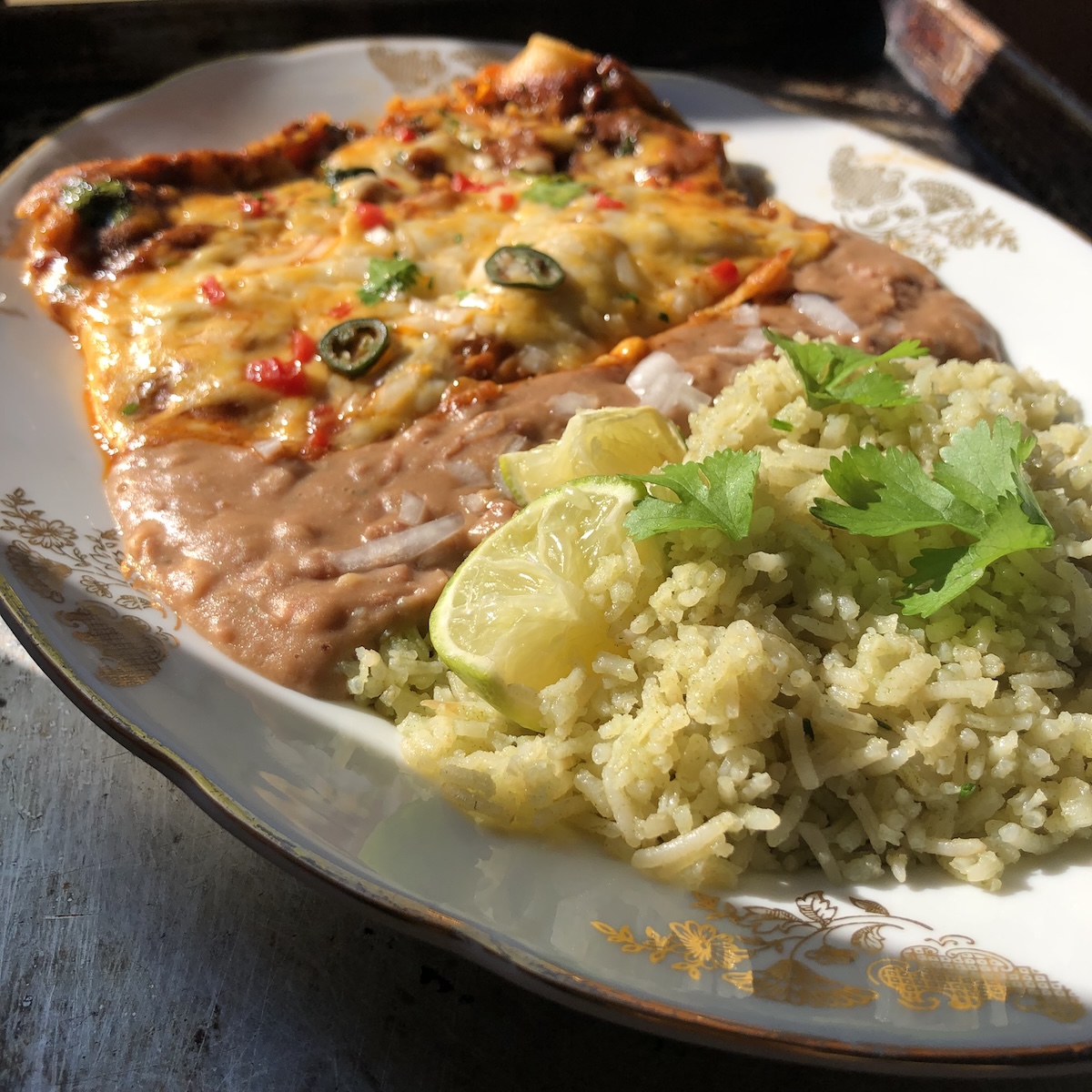
Unlock Authentic Refried Beans: Easier & Healthier Than Canned
For many, the mention of refried beans conjures images of a can, its contents a somewhat unappetizing beige paste. While convenient, the canned version often falls short in flavor, texture, and nutritional value compared to its homemade counterpart. Imagine a world where your refried beans are not just a side dish, but a creamy, savory star, bursting with authentic Mexican flavor, and made with just a handful of wholesome ingredients. This isn't a culinary fantasy; it's the reality of making homemade refried beans, and it's far easier and healthier than you might think.
Having spent time immersed in the vibrant culinary traditions of Puebla, Mexico, I quickly discovered a profound truth: the taste of truly homemade refried beans is an experience utterly incomparable to anything from a can. It's a revelation that transforms an everyday staple into a celebrated dish. Forget what you thought you knew about this humble ingredient – we're about to show you how to craft healthier refried beans that will make you rethink your entire approach to Mexican cuisine.
The Unbeatable Difference: Homemade vs. Canned Refried Beans
The primary distinction between homemade and store-bought refried beans boils down to two critical factors: ingredients and preparation. Canned versions often contain preservatives, excess sodium, and sometimes less-than-desirable fats. The texture can be gluey or overly uniform, lacking the rustic charm and depth of flavor found in authentically prepared beans.
Authentic Mexican refried beans, known as frijoles refritos, are a staple that truly shines when made from scratch. The term itself is often misunderstood; while "refritos" might sound like "re-fried," its true meaning in Mexican Spanish is closer to "well-fried" or "very well-fried." This emphasizes the careful process of cooking the beans until they reach a deeply flavorful and creamy consistency, not that they are fried twice. You can delve deeper into this fascinating linguistic and culinary insight by reading our article: Frijoles Refritos: The Real Meaning Behind "Very Well-Fried" Beans.
By opting for homemade, you gain complete control over every element. You choose fresh, whole ingredients, dictate the amount and type of fat, and avoid unwanted additives. The result? A richer, more complex flavor profile and a superior texture that transforms simple beans into something truly extraordinary.
Unlocking the Secret: Key Ingredients for Authentic Flavor
The beauty of authentic refried beans lies in their simplicity. You don't need a pantry full of exotic spices; just a few foundational ingredients are sufficient to create magic. The true secret, however, is starting with the right kind of beans.
- Dried Beans (No Cans!): This is arguably the most crucial component. The distinctive texture and profound flavor of traditional refried beans are achieved by using dried beans, not canned. Canned beans, while convenient for some dishes, have a different pre-cooked texture that prevents them from breaking down and absorbing flavors in the same way. Look for dried pinto beans in the Mexican food aisle of your local grocery store. While pinto beans are the classic choice, black beans can also be used for a delicious variation.
- Aromatics: Onion & Garlic: These humble ingredients form the aromatic base, infusing the beans with essential savory notes. A simple half an onion cooked with the beans, and fresh garlic sautéed before the mashing process, makes all the difference.
- Fat: Lard or Oil: Traditionally, lard (pork fat) is used for its incredible flavor contribution and ability to create a silky-smooth texture. However, for a vegetarian or vegan version, or simply a lighter touch, a neutral oil like canola, vegetable, or even olive oil works wonderfully.
- Seasonings: Salt, Cumin & Oregano: Salt is vital for seasoning the beans throughout the cooking process. Cumin and Mexican oregano (which has a slightly different, more robust flavor than Mediterranean oregano) add the quintessential earthy, aromatic notes that define authentic refried beans.
- Bean Broth: Don't discard that precious cooking liquid! The starchy broth leftover from boiling the beans is essential for achieving the perfect creamy consistency and for adding back vital flavor as you mash.
Step-by-Step: Crafting Your Perfect Pot of Refried Beans
While the overall process is straightforward, it requires a little patience, particularly for the soaking and boiling stages. But rest assured, the hands-on effort is minimal.
Traditional Stovetop Method
- Rinse and Soak Beans: Begin by sifting through your dried beans to remove any small stones or debris. Rinse them thoroughly under cold water. Place the cleaned beans in a large pot, cover with at least 2-3 inches of water, and let them soak overnight (8-12 hours). This significantly reduces cooking time and promotes even cooking.
- Boil the Beans: After soaking, drain the beans and rinse them again. Return them to the pot and cover with fresh water, ensuring they are submerged by a few inches. Add half an onion and a couple dashes of salt. Bring the water to a rolling boil, then reduce the heat to a gentle simmer, cover the pot, and cook for approximately 1 to 1.5 hours, or until the beans are tender. They should be soft enough to easily mash with a fork.
- Prepare for Frying: Once cooked, carefully drain the beans, making sure to reserve about 1 to 2 cups of the bean broth. You'll need this liquid later to achieve your desired consistency. Remove and discard the onion from the boiled beans.
- Fry and Mash: Heat your chosen fat (lard or oil) in a large, heavy-bottomed skillet or Dutch oven over medium heat. Once hot, add minced garlic and stir for about 30 seconds until fragrant (be careful not to burn it). Add the cooked beans to the skillet along with the cumin and oregano. Pour in about ¼ cup of the reserved bean broth.
- Mash to Perfection: Using a potato masher, sturdy fork, or even an immersion blender (for a smoother consistency), begin gently mashing the beans as they cook. Continue to stir and mash, incorporating the flavors, until you reach your desired texture – from mostly smooth to wonderfully rustic with some whole bean pieces remaining. Add more reserved bean broth, a tablespoon at a time, if the beans become too dry or you prefer a creamier consistency, similar to soft mashed potatoes. Taste and adjust seasoning with additional salt as needed.
Beyond the Stovetop: Instant Pot & Slow Cooker Options
For those seeking even greater convenience, pressure cookers like the Instant Pot or a slow cooker can streamline the bean cooking process, often eliminating the need for overnight soaking. This makes homemade refried beans even more accessible for busy weeknights.
- Instant Pot Method (No Soaking!): Rinse dried beans well. Add beans, half an onion, and salt to the Instant Pot. Cover with 7-8 cups of water. Seal the lid and pressure cook on high for 45 minutes. Allow for a natural pressure release for 25 minutes. Once the beans are tender, drain them, reserving about ½ cup of the cooking liquid. Switch the Instant Pot to SAUTE mode, add your fat and garlic, then the beans, spices, and a quarter cup of broth. Mash directly in the pot, adding more broth as needed.
- Slow Cooker Method: Rinse beans thoroughly. Combine beans, onion, salt, and enough water to cover them by several inches in your slow cooker. Cook on high for 4-5 hours or on low for 8-10 hours, until the beans are very tender. Drain, reserving liquid, then proceed with the frying and mashing step in a separate skillet as described above.
Tips for Refried Bean Mastery & Serving Suggestions
Once you’ve mastered the basic technique, there are countless ways to customize your refried beans and make them truly your own.
- Adjusting Consistency: The beauty of homemade is control. Prefer your beans silky smooth? Use an immersion blender or food processor. Like them chunky and rustic? A potato masher or fork will be your best friend. Always add bean broth gradually until you achieve your preferred texture.
- Flavor Enhancements: Feel free to experiment! A pinch of chili powder or a finely diced jalapeño (seeds removed for less heat) can add a delightful kick. A squeeze of fresh lime juice at the end can brighten the flavors.
- Fat Choices: While lard offers unparalleled flavor, good quality bacon fat, olive oil, or even butter can be used. Each will impart a slightly different characteristic to your beans.
- Make Ahead & Freezing: Refried beans are excellent for meal prep. They keep well in the refrigerator for up to 5 days. For longer storage, portion them into airtight containers or freezer bags and freeze for up to 3 months. Thaw in the refrigerator overnight and reheat gently on the stovetop, adding a splash of water or broth if needed.
Refried beans are incredibly versatile. Serve them as a classic side dish for tacos, enchiladas, or huevos rancheros. They also make a fantastic base for bean dips, spread on tostadas, or layered into burritos and quesadillas. Don't forget a simple sprinkle of shredded cheese (like cotija or cheddar) or a dollop of sour cream or crema for an extra touch of indulgence.
Conclusion
Stepping away from the can and embracing the simplicity of homemade refried beans is a culinary journey well worth taking. Not only will you unlock a depth of flavor and a superior texture that transforms this humble dish, but you'll also gain the satisfaction of knowing you're serving a healthier, more wholesome option to your family. With just five core ingredients and a little patience, you can create authentic, creamy, and undeniably delicious refried beans that will elevate any meal. So, gather your dried beans, get ready to simmer and mash, and prepare to be amazed by the true taste of Mexico.
